
Reviews
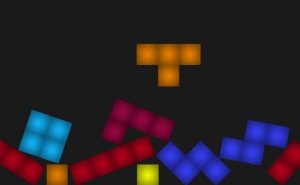
Falling Shape Stacker stands out by replacing instant snap placement with gradual physics rotation. This small change transforms every move into a careful decision. The two difficulty modes are well balanced, offering a forgiving option for newcomers and a strict mode for veterans. The minimal graphics and soothing music create a relaxed atmosphere that encourages thoughtful play. It is a refreshing take on a classic formula that rewards patience and planning.
Description
Physics at the Core
Unlike traditional block puzzles where pieces snap into place, this game introduces a gradual rotation system. Each shape responds to gravity as it descends, turning slowly when the player presses the rotate command. This means a single tap may not be enough to reach the perfect angle. Players must anticipate how the piece will settle, adding a layer of foresight to every move. The result is a puzzle experience that feels more organic and less predictable.
Two Ways to Play
The game offers two distinct modes to match different preferences. In the easier setting, players can nudge a piece slightly after it lands, allowing for small corrections. This is ideal for those who want a relaxed session without pressure. The harder mode locks each shape immediately upon contact, demanding precise placement from the start. Beginners can start with the forgiving mode and later challenge themselves with the stricter rules.
Visual and Audio Atmosphere
The graphics are intentionally minimal, using clean shapes and a neutral background to keep attention on the gameplay. A calm soundtrack plays throughout, designed to reduce stress rather than add tension. This combination makes the game suitable for short breaks or longer periods of focus. The overall presentation aims to create a space where players can think clearly and enjoy the process of stacking.
Building Spatial Awareness
Each session encourages players to think about how shapes fit together in a confined space. The physics rotation means that a piece can land at an awkward angle if not handled carefully, creating gaps that are hard to fill. Over time, players develop a better sense of how to position pieces efficiently. This makes the game not just a pastime but a gentle exercise in logic and planning.
Tips for Steady Progress
To improve, focus on controlling the rotation speed. Press the rotate key in short bursts rather than holding it down. Keep the stack as level as possible to avoid uneven spots. If a piece lands poorly, try to work around it by filling gaps with subsequent shapes. Starting with the easier mode helps build confidence before moving to the stricter setting. Regular play will sharpen your ability to predict where each piece will rest.




Player Comments
Sign in to comment
You must be logged in before posting a review or rating.
No account? Create one
No comments yet. Be the first to comment!